
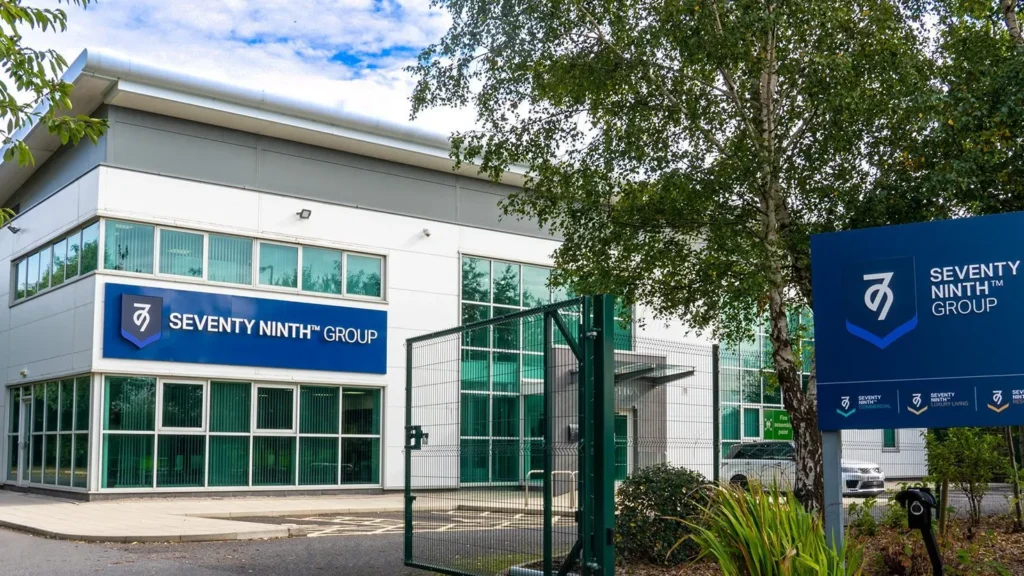
Liverpool County Court last week adjudged individuals linked to 79th Group bankrupt over debts connected to the alleged investment scam, which affected investors across the UK and internationally.
The bankruptcy rulings allow insolvency practitioners to examine the personal assets of the scheme’s operators to determine whether recoveries can be made. Investigators from Kroll and Quantuma have described 79th Group as having the “hallmarks of one of the largest UK-based Ponzi schemes,” in which early investors are paid from the contributions of later participants rather than legitimate business operations.
The group sold “loan notes” to investors through third-party brokers, promising high returns secured against purportedly valuable property developments, including a £250 million holiday park in North Wales.
Investigations revealed that the operators allegedly misused funds to finance luxury expenditures such as a private jet, a Caribbean villa rental, and payments to personal consultancy companies. Last November, a £38 million global freezing order was issued to prevent further dissipation of investor funds.
The 79th Group began to unravel in April, with Kroll and Quantuma identifying at least £38 million in unexplained payments. Investigations continue to determine the whereabouts of remaining investor money.
City of London Police launched a criminal investigation last February, seizing large amounts of cash, luxury watches, and jewellery during property searches. Four individuals were arrested but have since been released on bail, with inquiries ongoing. No charges have yet been filed.
The Financial Conduct Authority (FCA) is reportedly reviewing the role of financial institutions, including NatWest, which held the main 79th Group accounts, to ensure compliance with anti-money laundering and other regulatory requirements.
Several banks, including The Co-operative Bank, have begun reimbursing UK investors under the authorised push payment (APP) scheme, which compensates victims of fraud up to £85,000. However, some major banks, including NatWest, Barclays, and HSBC, are yet to issue APP refunds.
Overseas investors, who are ineligible for APP protection, are reportedly exploring legal options against banks that processed 79th Group transactions.
Administrators have traced luxury assets including a ten-seat Learjet 55 private jet valued at around £3 million and significant Caribbean villa rentals that appear unrelated to any legitimate investment activity.
Conservative MP Sir John Whittingdale commented on the scandal, saying many victims were “unsophisticated, retired first-time investors who put their savings into a well-planned scam.”