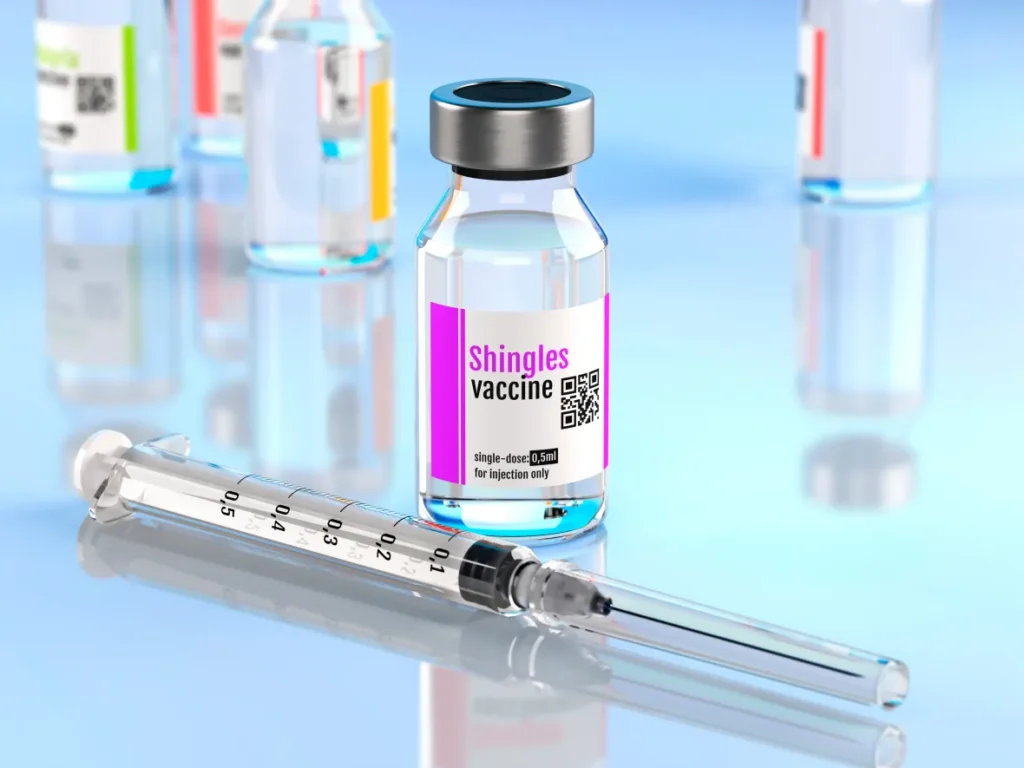
A routine vaccine given to protect older people from shingles may also help slow the biological ageing process, according to a new study.
Researchers analysing health data from nearly 4,000 adults aged 70 and over in the United States found that those who had received the shingles vaccine showed signs of ageing more slowly than those who had not been vaccinated.
The study found lower levels of chronic inflammation among vaccinated participants, alongside biological markers that suggested their DNA appeared “younger” at a molecular level. Chronic inflammation is closely linked to age-related conditions such as heart disease, cancer and Alzheimer’s disease.
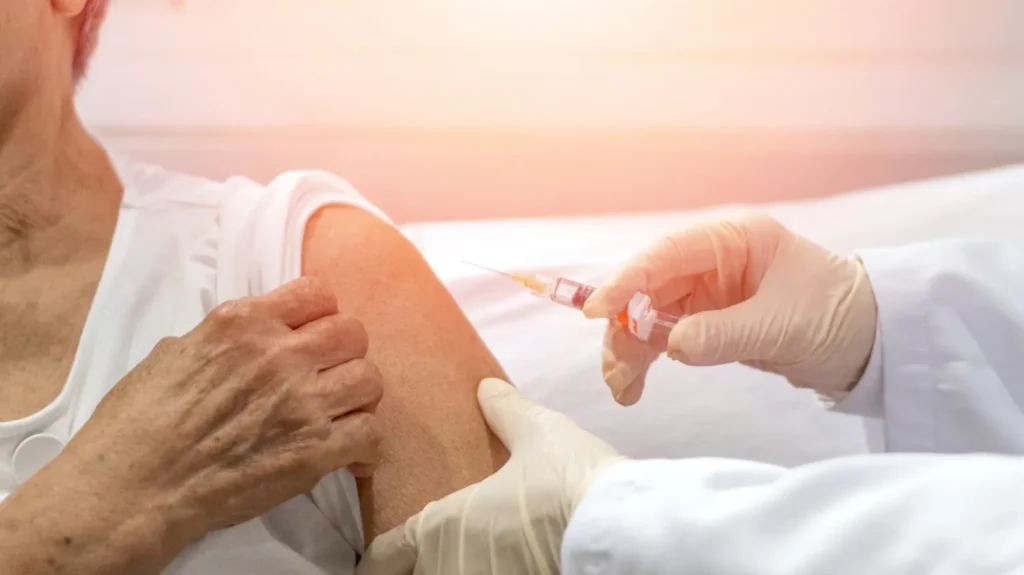
The shingles vaccine is currently available on the NHS to people turning 65, those aged between 70 and 79, and individuals aged 18 and over with severely weakened immune systems. While the jab is primarily designed to prevent shingles, the findings add to growing evidence that its benefits may extend beyond protection against the virus.
Shingles, also known as herpes zoster, occurs when the chickenpox virus reactivates after lying dormant in the body for many years. It can cause a painful blistering rash and, in some cases, long-lasting nerve pain known as post-herpetic neuralgia. The risk increases with age as the immune system weakens.
“This study adds to emerging evidence that vaccines may play a role in promoting healthy ageing by influencing biological processes beyond infection prevention,” said Jung Ki Kim of the University of Southern California, the study’s lead author.
To assess biological ageing, researchers examined several indicators, including inflammation levels and two genetic measures of ageing. One, known as epigenetic ageing, looks at chemical changes that affect how genes function over time. The other, called transcriptomic ageing, examines how genes are converted into RNA to produce proteins essential for cell function.
On average, vaccinated participants showed lower inflammation, slower epigenetic and transcriptomic ageing, and a better overall biological ageing score. Scientists believe chronic low-level inflammation, sometimes referred to as “inflammageing”, plays a key role in the development of many conditions associated with later life, including frailty and cognitive decline.
Researchers suggested the vaccine may help reduce this background inflammation by preventing reactivation of the virus that causes shingles, thereby supporting healthier ageing.
The authors stressed that the study was observational and cannot prove a direct cause-and-effect relationship. They noted the possibility of a “healthy user effect”, where people who choose to get vaccinated may already be healthier or more engaged with healthcare.
However, participants who had been vaccinated four or more years before blood samples were taken still showed signs of slower biological ageing compared with those who had never received the vaccine.
The findings were published in The Journals of Gerontology and follow earlier research linking shingles vaccination to a reduced risk of dementia. A large review published last year in Age and Ageing, which analysed data from more than 100 million people aged 50 and over, found shingles vaccination was associated with a 24 per cent lower risk of dementia and a 47 per cent lower risk of Alzheimer’s disease.