
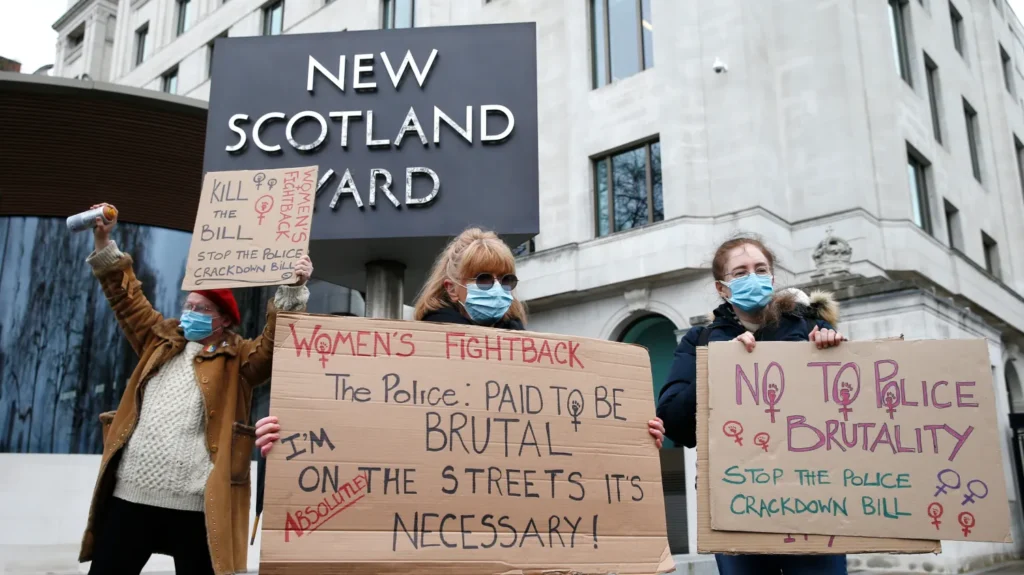
The disclosure follows a long legal battle by The Times, which forced Scotland Yard to release the 2022 “problem profile” report. The study, initially produced after the murder of Sarah Everard, assessed the Met’s performance in investigating serious sexual offences.
Across the financial years ending 2020 and 2021, victims withdrew allegations of rape or sexual assault by strangers 265 times. In addition, 527 cases were recorded under the category “no other codes apply,” which may indicate missing or incomplete information about the victim.
Harriet Dowse-Bland, a solicitor at the Centre for Women’s Justice, said the findings reflect a wider issue. “It’s well known that many victims withdraw from the criminal justice process because of delays, invasive requests for personal records, and difficulty accessing victim support,” she said. “Without properly resourced investigation teams that can handle sexual offences efficiently, victims’ trust in the police continues to be undermined.”
The report also revealed broader failings across UK police forces. A 2023 inquiry led by Dame Elish Angiolini found that more than a quarter of forces had not implemented basic policies for investigating sexual offences. Some forces ignored recommendations that individuals with convictions or cautions for sexual crimes should be automatically barred from service.
The Metropolitan Police itself has faced criticism for hiring officers deemed unsuitable. This month, it emerged that a diversity panel had overturned vetting refusals, allowing officers and staff to be recruited who subsequently committed rapes, assaults, and drug offences.
The Times had been attempting to obtain the full Met report since August 2022. A heavily redacted version released in 2024 indicated that basic details about sex offenders and their victims were often missing, preventing investigators from identifying repeat offenders or linking similar cases.
Dowse-Bland described the incomplete records as a “serious concern.” She added: “Accurate and complete data is critical to identifying repeat offenders and broader patterns of criminal behaviour, which are essential to public safety.”
Freedom of information expert Martin Rosenbaum criticised the force’s handling of the request. “It’s absurd and unacceptable that it has taken over three years to release this information,” he said.
A Metropolitan Police spokeswoman said that withdrawals cannot be attributed solely to trust in the police and noted improvements since the data was compiled. “We’ve transformed the way we handle serious sexual offences, with more arrests, a tripling of charges for rape and serious sexual offences, and more victim-survivors bravely reporting,” she said.
The force added that it complied fully with the tribunal ruling regarding what could be lawfully disclosed.