Wes Streeting, the health secretary, has introduced the Medical Training (Prioritisation) Bill, which would require hospitals to prioritise UK and Irish medical graduates for interviews and training jobs before considering international applicants.
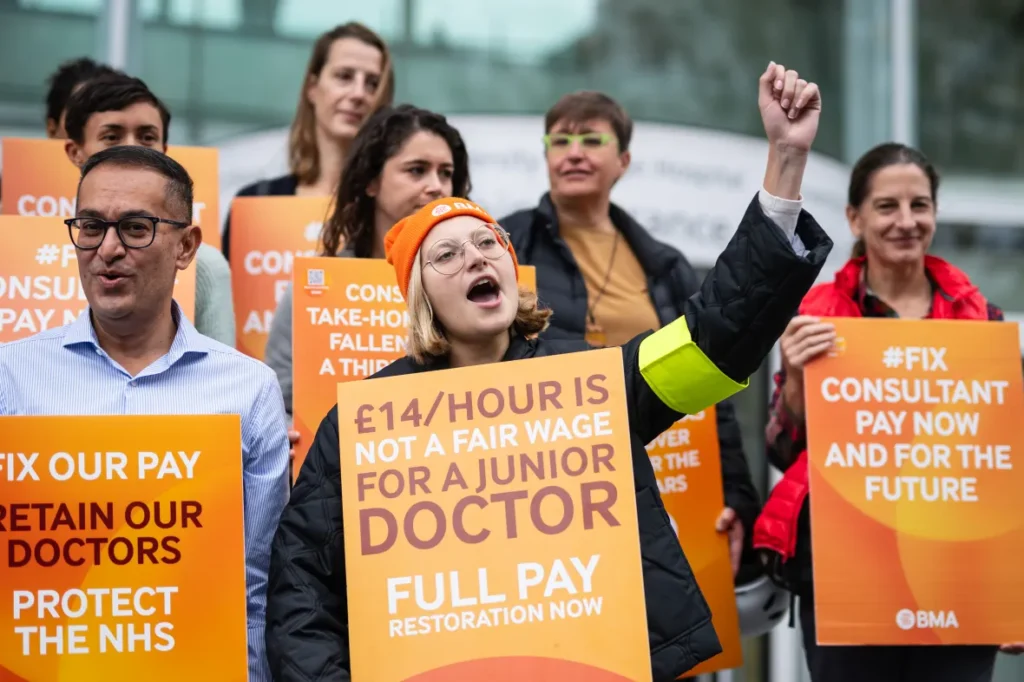
The move follows mounting pressure from the British Medical Association (BMA), which said the legislation “gives us some hope” that ministers are beginning to address long-standing concerns over jobs and career progression for junior doctors.
However, it is understood that the government could still halt the legislation, which is due to come into force before March, if junior doctors resume strike action next month. The bill contains a commencement clause allowing Streeting to pause its implementation.
Under the current system, medical graduates must complete two foundation years in the NHS before applying for specialty training in areas such as surgery or anaesthesia. Since 2020, international graduates have been able to compete for these posts on equal terms with UK-trained doctors, sharply increasing competition.
Last year almost 40,000 doctors applied for around 12,000 specialty training roles, with only 37 per cent of successful applicants having graduated from UK medical schools.
The bill would require NHS trusts to offer training posts to UK doctors first. From next year, trusts would also be legally obliged to interview UK candidates for specialty training programmes before offering interviews to overseas applicants.
British medical graduates would additionally be prioritised for places on the NHS foundation programme, the first step in postgraduate medical training.
Streeting said the policy was a matter of fairness and workforce planning. “British taxpayers spend £4 billion training medics every year,” he said. “It makes little sense for many of them to then struggle to secure specialty training places and fear for their futures.”
He blamed what he described as years of mismanagement for leaving UK graduates competing with applicants from around the world, noting that applications had risen from 12,000 in 2019 to nearly 40,000 this year.
International medical graduates who hold British citizenship or who have worked in the NHS for a significant period would also receive priority under the new rules.
The legislation meets a key demand of the BMA’s resident doctors — formerly known as junior doctors — who have taken 59 days of strike action since 2023 over pay and training opportunities. Talks between the union and the government are ongoing, though Streeting has said further pay increases are unaffordable.
Dr Jack Fletcher, chair of the BMA resident doctors committee, welcomed the bill but warned it would not solve the wider workforce crisis. He said prioritising UK-trained doctors could reduce the number left without jobs despite public investment in their education, but added that thousands of genuinely new roles were still needed.
“If patients are hoping this will mean many more doctors on the wards, they will be disappointed,” he said, arguing that industrial action would continue unless the jobs crisis was fully addressed.
Professor Mumtaz Patel, president of the Royal College of Physicians, said the organisation welcomed efforts to ease specialty training bottlenecks but stressed that international medical graduates already working in the NHS must continue to be supported.
“For too long, talented doctors have been trapped in a system that fails to provide fair or timely progression,” she said, adding that overseas-trained doctors play a vital role in patient care across the NHS.