
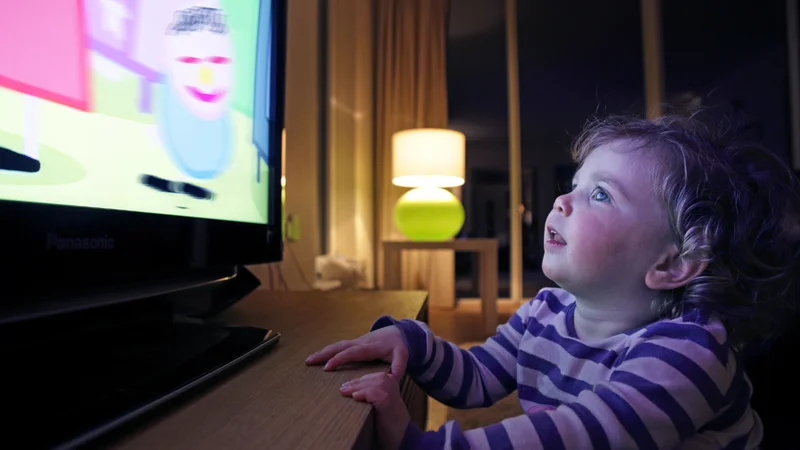
Almost all parents allow their two-year-olds to watch screens every day, despite World Health Organisation (WHO) guidance recommending strict limits for under-fives, according to new government research.
The study found that 98 per cent of two-year-olds in England watch television, videos or digital content daily, with average screen time reaching 127 minutes a day more than double the WHO’s recommended maximum of one hour.
In response, the Department for Education (DfE) has announced that parents will, for the first time, receive official government guidance on screen use for children under five. Ministers said the advice would be “practical and non-judgmental”, reflecting the reality that screens are now part of everyday family life.
Education Secretary Bridget Phillipson said the guidance would focus on helping parents strike a healthy balance rather than discouraging screen use altogether.
“The question parents are asking isn’t whether to use screens, but how to use them well,” she said. “Too much screen time is crowding out activities like talking, play and reading, which are crucial for children’s language development.”
The guidance, due to be published in April, follows a government-commissioned survey of 4,758 primary caregivers examining young children’s screen habits and home learning environments.
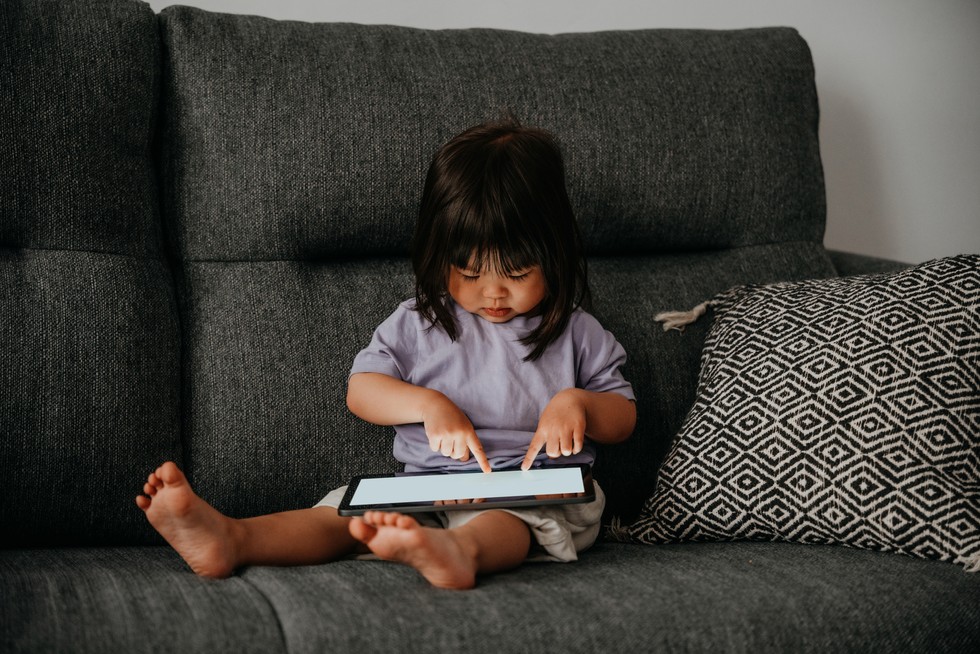
Researchers found that screen time had the greatest negative impact on language development at around 86 minutes a day. When video games were included, average daily screen use among two-year-olds rose to 140 minutes, with 19 per cent of children reported to be playing games.
The study also linked higher screen use to smaller vocabularies. Children who spent around five hours a day on screens were able to say 53 per cent of 34 test words, compared with 65 per cent among children whose average screen time was 44 minutes.
However, the research found no overall decline in vocabulary levels among two-year-olds compared with similar studies conducted between 2017 and 2020.
Socioeconomic factors were strongly associated with differences in screen use and learning activities. Children of caregivers with lower incomes, lower educational attainment or symptoms of depression experienced fewer home learning interactions.
Among the highest-income families, 77 per cent read with their children daily, compared with 32 per cent in the lowest-income households. Daily reading was reported by 73 per cent of caregivers with the highest education levels, compared with 29 per cent among those with the least formal education.
Ethnicity was also identified as a significant predictor of screen habits. Average daily screen time was highest among children of black caregivers (213 minutes), followed by Asian caregivers (156 minutes) and those of mixed or other ethnic backgrounds (174 minutes). Children of white caregivers averaged 131 minutes a day.
A panel led by Dame Rachel de Souza, the children’s commissioner for England, and Professor Russell Viner, former chief scientific adviser to the DfE, will oversee the development of the new guidance.
Phillipson said the government wanted parents to shape the advice rather than have it imposed on them. “I want this to be shaped with parents, not dictated to them,” she said. “Our engagement sessions over the coming weeks will help us understand exactly what families want the guidance to include.”