According to reports, the Royal and VIP Executive Committee (Ravec) has determined that the Duke of Sussex meets the criteria for official armed protection. A formal ruling is expected to be confirmed within the coming weeks.
The development follows the duke’s high-profile legal defeat in May, when the High Court rejected his challenge against the government’s decision to remove his automatic entitlement to taxpayer-funded police protection. That protection was withdrawn in 2020 after Harry stepped back from his role as a working member of the Royal Family.
Ravec, which operates under the oversight of the Home Office, launched a renewed risk assessment after Prince Harry wrote directly to the home secretary in September requesting a reassessment of his security arrangements. The committee is responsible for advising on protective security for senior royals and other high-risk public figures.
Sources quoted by the Mail on Sunday claim that approval for armed protection has effectively been agreed. One source said the decision was “now a formality”, adding that officials believe security arrangements for the duke are “nailed on”, barring any late intervention.
Prince Harry has repeatedly argued that it is unsafe for him and his family to travel to the UK without round-the-clock armed police protection. Under current arrangements, he must notify the Metropolitan Police at least 30 days before a visit, after which security provision is assessed on a case-by-case basis. His legal team has previously described this level of protection as “manifestly inferior”.
Concerns over safety are said to have been reinforced by a recent incident involving a stalker who had made online threats against the duke. During a charity visit to London in September, when police protection was in place for one day, the individual reportedly entered a restricted area. Two days later, when Harry was visiting Imperial College London without armed police protection, she allegedly came close enough to attempt an approach and was stopped only by a member of his private security team.
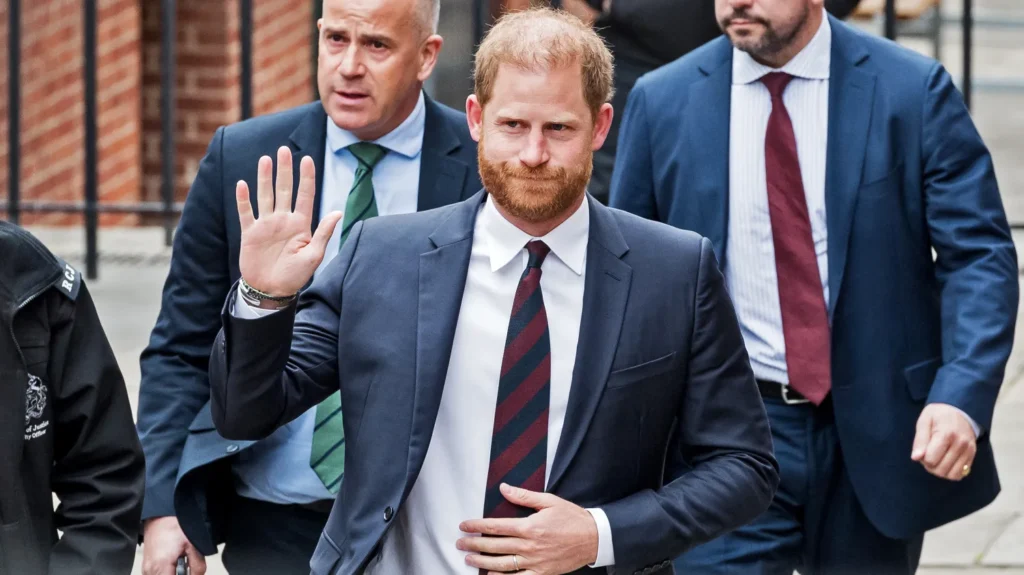
These and other incidents were reportedly presented to the risk management board that advises Ravec. Sources suggest the board concluded that the duke does meet the threshold for automatic armed protection.
Ravec is made up of senior security officials from the Home Office, the Metropolitan Police and the royal household, who provide recommendations to an independent chair. The Home Office retains legal responsibility for the committee’s decisions and successfully defended its position in court earlier this year.
Following his legal defeat, Prince Harry publicly criticised the process, describing it as an “establishment stitch-up” and calling for the case to be reviewed at the highest levels of government. He has also argued that Ravec should follow its own guidance by conducting annual reviews for eligible royals and VIPs.
A decision in the duke’s favour could also have wider personal implications. Sources suggest it may remove a major obstacle to bringing his children, Archie and Lilibet, to the UK and could potentially pave the way for renewed contact with King Charles III. The monarch last saw his grandchildren during the late Queen’s Platinum Jubilee celebrations in 2022.
A spokesperson for the Duke and Duchess of Sussex declined to comment, citing the sensitivity of security matters. A government spokesperson reiterated that the UK’s protective security arrangements are “rigorous and proportionate” and said it remains long-standing policy not to disclose detailed information for security reasons.