
In The Times’ annual Economists Survey, 48 senior economists warned that the UK economy remains “moribund” and will require at least two interest rate cuts next year to support growth and counter the impact of recent tax rises announced by Chancellor Rachel Reeves.
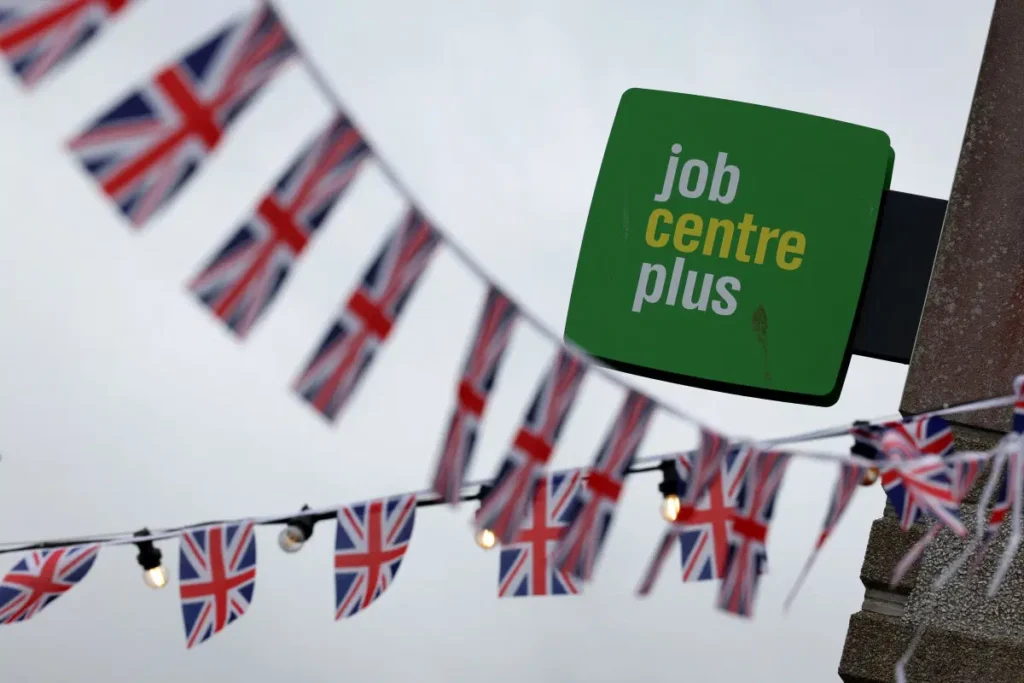
More than two-thirds of respondents said unemployment would end 2026 at between 5 per cent and 5.5 per cent. If the upper end of that range is reached, it would mark the highest jobless rate since 2015 and exceed levels seen during the Covid-19 pandemic. A further 15 per cent of economists believe unemployment could rise even higher, to between 5.5 per cent and 6 per cent, compared with the current rate of 5.1 per cent already the highest in nearly five years.
Economists pointed to rising costs for employers as a key factor weighing on hiring. Businesses have faced increased national insurance contributions, higher minimum wages and additional compliance costs linked to forthcoming employment legislation.
Fhaheen Khan, senior economist at Make UK, said companies were being squeezed from multiple directions. “Employment costs are rising sharply, and firms are also preparing for further indirect costs associated with changes to employment rights,” he said.
Nina Skero, chief executive of the Centre for Economics and Business Research, said hiring would remain subdued amid a weak growth outlook. “Higher employer taxes and, in some sectors, exceptionally high minimum wages are acting as a brake on recruitment,” she said.
Growth prospects for 2026 were also described as modest. A majority of economists forecast UK GDP growth of between 1 per cent and 2 per cent, broadly similar to recent years. However, many said this growth would depend heavily on government spending and investment announced in the chancellor’s first two budgets, rather than a recovery in private-sector activity.
Alpesh Paleja, deputy chief economist at the CBI, said the state would play a larger role in supporting the economy than it did during the austerity years of the 2010s. Paul Dales, chief UK economist at Capital Economics, went further, estimating that around 80 per cent of growth in 2026 would come from the public sector.
“Our economic performance is likely to remain weak,” said Jagjit Chadha, professor of economics at the University of Cambridge. “Private-sector momentum is still lacking.”
Most economists expect monetary policy to provide some relief. More than 80 per cent of those surveyed believe the Bank of England will cut interest rates at least twice in 2026. One respondent suggested rates could fall as low as 2.5 per cent from the current level of 3.75 per cent. Only one economist anticipated a rate rise.
James Smith, developed markets economist at ING, said concerns at the Bank over renewed inflation pressures appeared overstated. “The balance of risks points towards further rate cuts next year,” he said.
However, some economists argued that growth could outperform expectations if borrowing costs fall faster than anticipated. Dario Perkins, managing director at TS Lombard, said more aggressive rate cuts could provide a stronger boost to demand.
Inflation is expected to ease over the coming year. Nearly three-quarters of respondents believe inflation will be at, or close to, the Bank of England’s 2 per cent target by the end of this year, helped by lower energy bills and slower wage growth as the labour market weakens.
Looking beyond the UK, economists were relatively upbeat about the global outlook. More than half expect global growth of between 2 per cent and 3 per cent this year, while 42 per cent forecast growth of up to 4 per cent. Three-quarters believe the US economy will expand by at least 2 per cent, although most expect China to fall short of its 5 per cent growth target in 2026. Growth in the eurozone is expected to broadly mirror that of the UK.