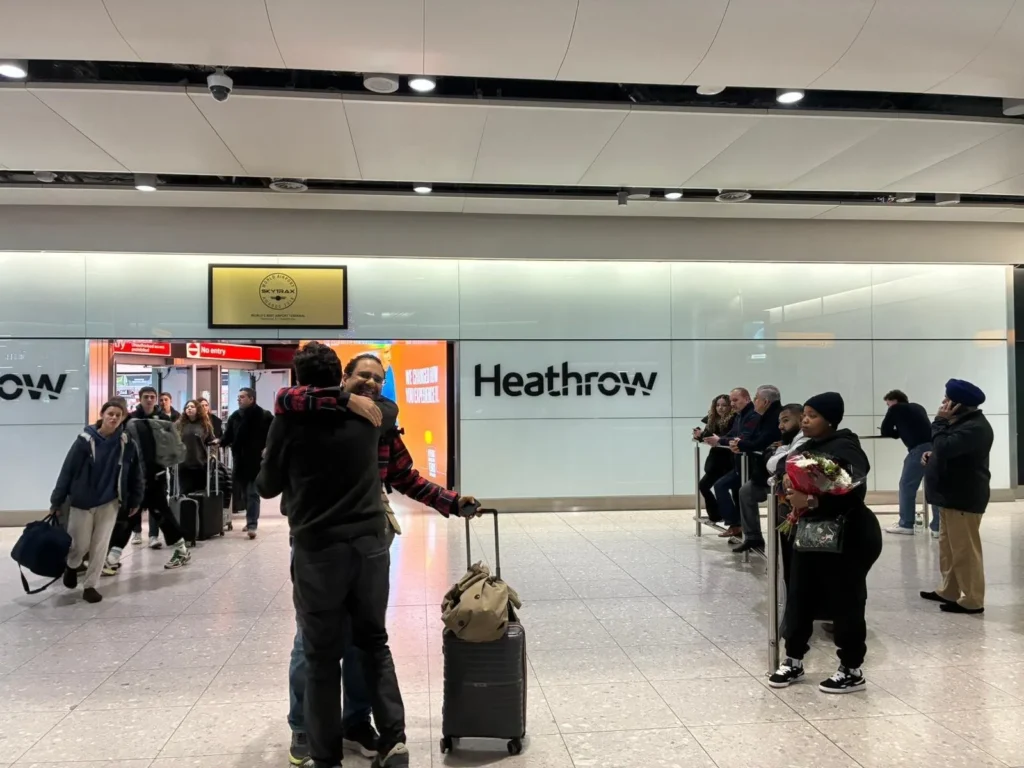
Fattah, a British-Egyptian human rights campaigner, was released from jail in Egypt and welcomed back to the UK this week by Starmer. Ministers have criticised what they describe as a failure to conduct adequate background checks on Fattah prior to his arrival. Privately, some officials described the prime minister’s intervention as “ridiculous” and “shocking,” arguing that Fattah should lose the citizenship he acquired in December 2021.
On Sunday, the Foreign Office issued a statement condemning Fattah’s past remarks, which reportedly included calls for the death of Zionist civilians and suggestions to burn Downing Street during the 2011 London riots, labelling these comments as “abhorrent.”
It is understood that these posts were not known to Starmer, nor to senior figures including Yvette Cooper, Foreign Secretary James Cleverly, and David Lammy, the deputy prime minister and justice secretary, at the time they all publicly welcomed Fattah’s return on Boxing Day.
Senior Labour MPs, however, have expressed concern that Starmer has lost the trust of British Jews. One minister commented:
“It’s truly shocking that we’ve welcomed a racist antisemite into our country with open arms. Serious questions need to be asked about the lack of judgment here and the Home Office should seriously be contemplating stripping him of his British citizenship.”
Another senior Labour MP added:
“Letting in a thug with a history of rampant antisemitism and anti-Zionism, crossing the line into calls for the death of all Zionists, is ridiculous and unacceptable. After recent attacks in Bondi Beach and Manchester, when the PM said he’d do everything to make the Jewish community feel safe, this looks and sounds like a kick in the face. Fattah should undoubtedly lose his British citizenship.”
Conservative figures have also weighed in. Kemi Badenoch, the Conservative minister, called for Fattah’s deportation, writing in the Daily Mail:
“I do not want people who hate Britain coming to our country. The home secretary should now look at all possible options, including whether his citizenship can be revoked and he can be removed from Britain. British citizenship is more than a passport. It means subscribing to our values. Our country is our home, not a hotel.”
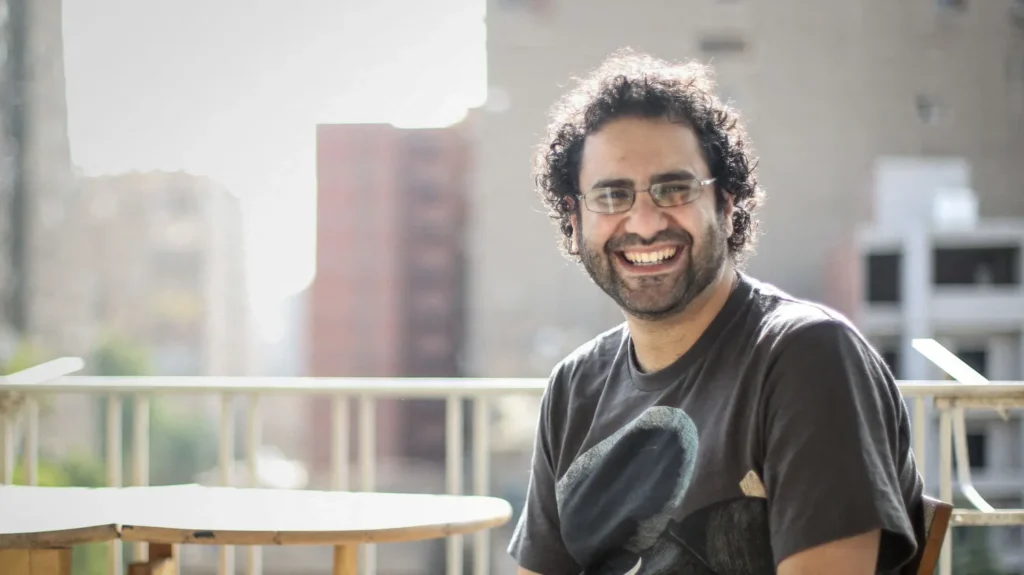
Other MPs highlighted what they described as failures in background screening, citing evidence that could have been accessed before Fattah’s entry, such as his removal as a nominee for a human rights award in 2014 over tweets advocating the murder of Israelis.
Shadow Justice Secretary Robert Jenrick echoed calls to revoke citizenship, stating:
“If the prime minister really was unaware that Fattah was an extremist, he should immediately retract his comments expressing ‘delight’ at his arrival and begin proceedings to revoke his citizenship and deport him.”
Government insiders defended Starmer, noting that previous prime ministers and foreign secretaries had also lobbied for Fattah’s release. They stressed that welcoming his reunification with family did not signify endorsement of his political views.
Fattah himself has defended his remarks, claiming in 2015 that they were part of a “private conversation” during an Israeli military offensive in Gaza and were taken out of context. Supporters describe him as a human rights campaigner who was imprisoned for “spreading fake news” after posting on social media about torture in Egypt. He was released in September following a long-running campaign supported by politicians and celebrities.
Jewish organizations have expressed strong concern. The Board of Deputies criticised the government for an “astonishing lack of due diligence,” stating they had raised the issue and made their concerns clear. The Jewish Leadership Council described the UK government’s reception of Fattah as “appalling,” noting that welcoming someone who had advocated killing Zionists undermines recent assurances to the Jewish community.
Several Conservative politicians who previously supported Fattah’s release have expressed regret. Former Tory leader Sir Iain Duncan Smith wrote on X:
“I do … regret signing the letter calling for the release of Alaa Abd el-Fattah, given his views that have since come to light are utterly abhorrent. Had I known of these, I would not have signed the letter. I urge the police to investigate the nature of these extremist comments.”
Alicia Kearns, Tory shadow minister and former chair of the Commons foreign affairs committee, said she was “not aware of his grotesque tweets,” adding:
“It is wholly improper for British citizens to be detained without due process by foreign states; however, Alaa must unequivocally apologise and make clear he now wholly rejects the hatred and antisemitism he expressed, which is so wholly incompatible with British values.”
Meanwhile, Nigel Farage, Reform UK leader, criticised the Conservatives for campaigning for Fattah’s release, stating:
“Whilst Robert Jenrick is right to criticise Starmer over Alaa Abd el-Fattah, we must not forget that it was the Tory government who started this. Whether it be Chagos, net zero or high taxes, Labour are only doing the same as the Tories, just worse.”
It has emerged that Fattah was granted British citizenship through his mother in December 2021, during the tenure of former Home Secretary Dame Priti Patel, while James Cleverly was Minister for the Middle East and North Africa.