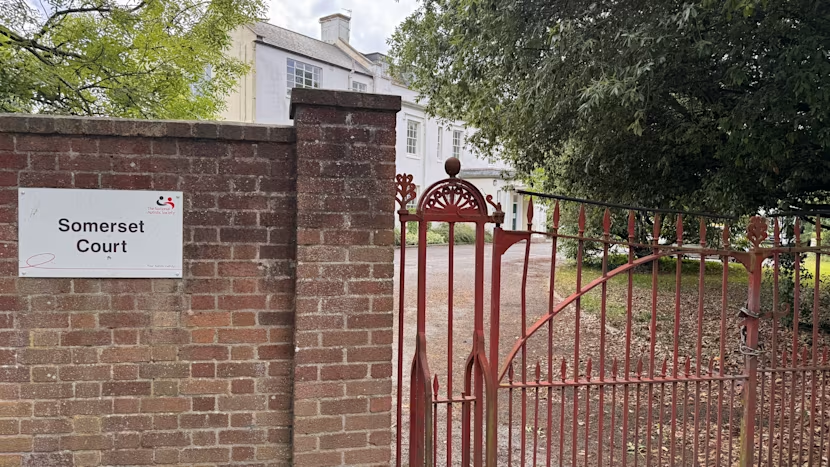
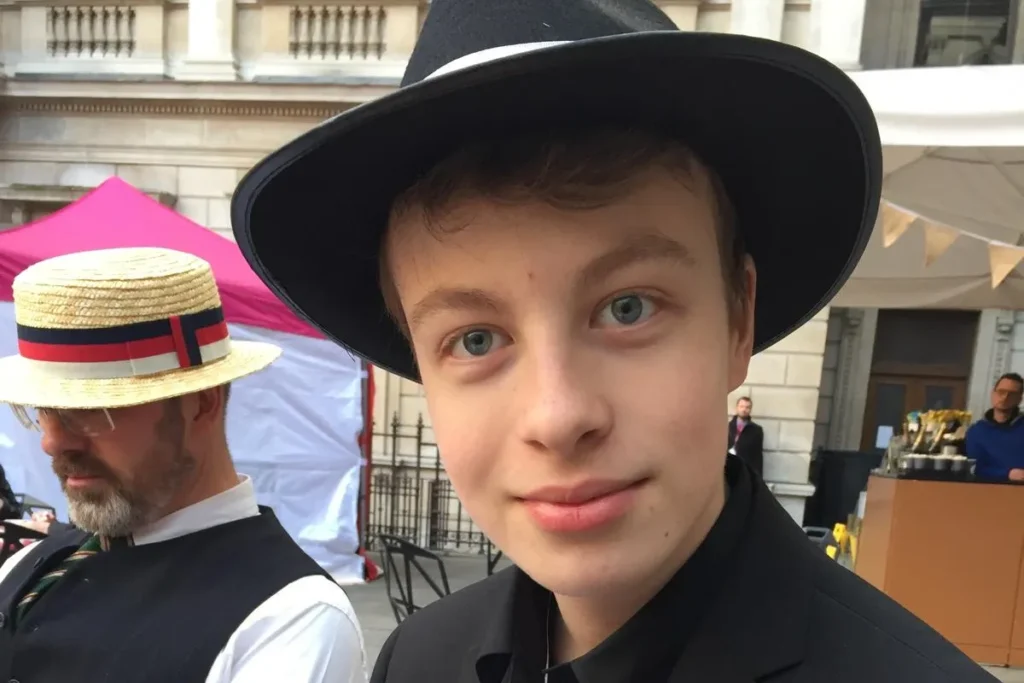
Cornes, a bright student from Barnet, north London, had just begun his studies at University College London and aspired to become a barrister. Less than 48 hours after moving into university halls, he was found dead in a two-star King’s Cross hotel. A post-mortem revealed acute toxic effects from alcohol, gamma-hydroxybutyrate (GHB), a drug sometimes associated with chemsex and crystal meth.
Cornes spent his final hours in the company of two men in their fifties, Matthew Butler, 55, and Ian Casimir, 57. Conflicting accounts from the men and delayed emergency calls raised serious questions about the events in the hotel room. Butler claimed Cornes was awake when he left the room briefly, while Casimir gave a different timeline, insisting he was unaware of Cornes’s drug consumption.
Despite the discrepancies, police deemed the death non-suspicious and no charges were brought. A coroner later ruled Cornes’s death drug-related. However, his family and solicitor, Neil Hudgell, have criticised the investigation, alleging it was “botched” and influenced by homophobic assumptions, echoing failures from the Stephen Port case.
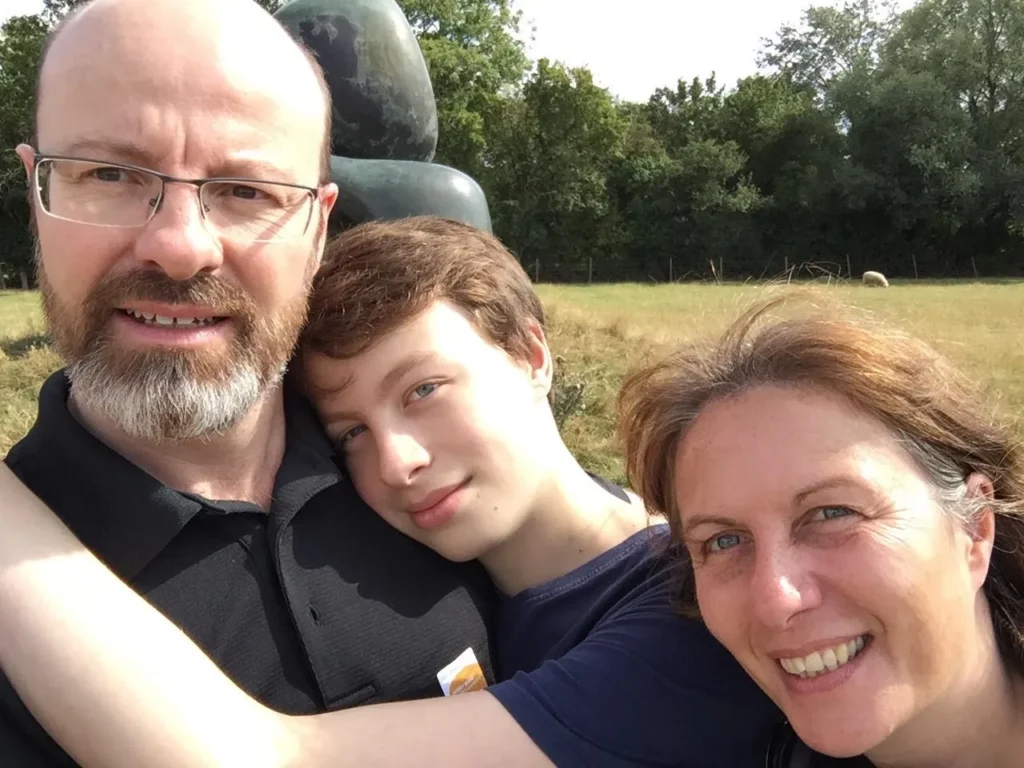
The family claim the Met focused disproportionately on Cornes’s sexuality and lifestyle, asking intrusive questions about his being gay and his recreational drug use, rather than thoroughly investigating the circumstances of his death. Key witnesses, including the university halls receptionist and an Uber driver, were not interviewed in a timely manner. Crucial evidence, including CCTV footage and a blood sample from Casimir, was lost or delayed, hampering a full understanding of events.
Cornes’s sister, Robyn, said: “The police failures were like being retraumatised again and again. We have had to confront the painful reality that Eddie’s death may not have been treated with the seriousness it deserved because he was a young gay man.”
At the inquest, conflicting testimonies from Butler and Casimir raised concerns over whether Cornes could consent to sexual activity while intoxicated. The coroner ultimately concluded the death was drug-related, citing no evidence of assault. The Met acknowledged the loss of evidence but defended its conclusion that there was no third-party involvement.
Cornes’s mother, Miriam Blythe, continues to seek clarity: “I just want the truth of what happened to my son.”