

Currently, junior doctors in England must select a medical specialty such as cardiology, respiratory medicine or endocrinology within two years of starting work. According to Re:State’s report, this “hyper-specialised model” is contributing to widespread hospital gridlock, as patients with multiple health conditions are passed between consultants before receiving full treatment.
The report titled Ending Patient Gridlock urges the creation of thousands of new training posts for “medical generalist consultants”, also known as hospitalists, who would manage patients with multiple chronic illnesses.
“The majority of patients who present at A&E have more than one long-term condition,” said Rosie Beacon, head of health at Re:State. “They might need a cardiologist for atrial fibrillation, a respiratory specialist for lung disease, and an endocrinologist for diabetes. Each additional specialist delays decisions, prescriptions, and discharge keeping patients in hospital far longer than necessary.”
Beacon added that patients often feel confused and frustrated when treated by several consultants without knowing who is ultimately responsible for their care.
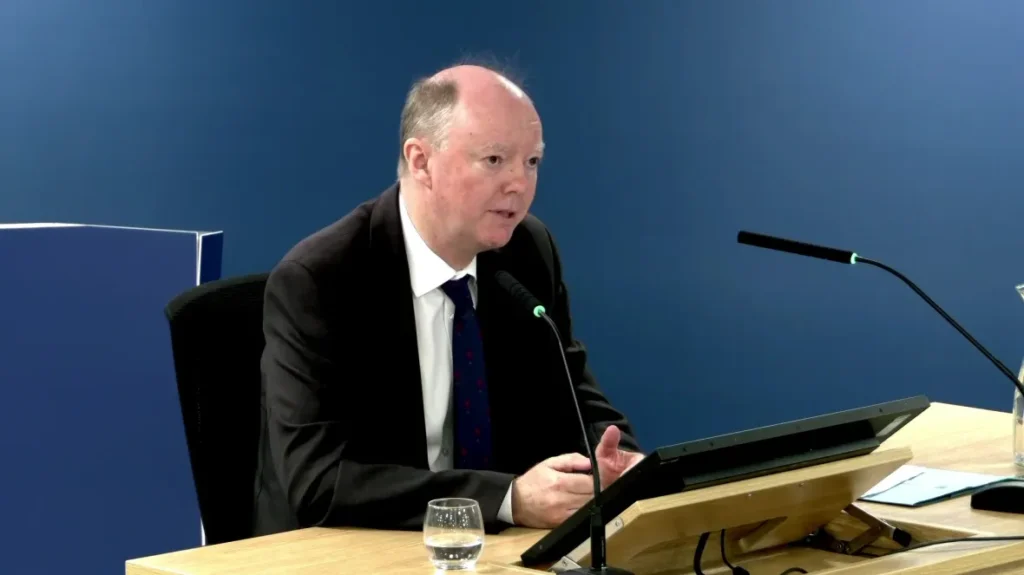
Re:State argues that generalist consultants could help streamline hospital care, reducing waiting times, improving coordination, and freeing up A&E departments. Similar systems already operate successfully in the United States and Australia, where hospitalists oversee multidisciplinary treatment plans for complex cases.
A major review led by Professor Sir Chris Whitty, England’s Chief Medical Officer, and Professor Sir Stephen Powis, former NHS England medical director, echoed the think tank’s concerns. The review concluded that retaining generalist skills is “fundamental for meeting the care needs of current and future populations.”
“Having multiple specialists managing multiple conditions in isolation is seldom good medicine,” Whitty and Powis wrote.
With two-thirds of over-65s in England living with at least two long-term illnesses, a condition known as multimorbidity experts warn that the NHS is struggling to adapt.
A Department of Health and Social Care spokesperson said the findings will guide upcoming NHS workforce reforms:
“This review highlights the need for doctors to maintain generalist skills to address increasing multimorbidity and an ageing population. The recommendations will inform tangible improvements as part of NHS England’s plan to improve doctors’ working lives.”
Ministers are expected to publish a 10-year NHS workforce strategy in the coming months, with a renewed focus on generalist medical training to meet the needs of a growing and ageing patient population.