

The figures, obtained through a Freedom of Information request by accountancy firm UHY Hacker Young, reveal that 12 clubs, 90 players and 16 agents were investigated in the year to March. The move highlights HMRC’s tougher stance on non-compliance across the football industry.
R&D Claims Under Scrutiny
One of the most contentious issues involves the use of research and development (R&D) tax relief. Several clubs have sought to claim deductions for projects in sports science, analytics and performance training. However, HMRC suspects some are stretching the definition of “research” to cover routine coaching or fitness work.
Earlier this year, The Times reported that 33 clubs were already under investigation over a combined £17.4 million in R&D relief claims. Among them were Chelsea, Fulham, Brentford, Nottingham Forest, and Dundee United, the latter accused of allocating staff and player hours to “research activities” that are now being challenged.
Agent Fees and Dual Representation
Another major focus is the structure of agent fees. For years, clubs and players have split these costs under so-called “dual representation” agreements allowing clubs to treat half the fee as a tax-deductible business expense.
But HMRC has now ruled that such arrangements will not be accepted unless there is clear evidence that the agent genuinely acted for both parties. If not, the entire fee may be taxed as the player’s responsibility, likely leaving some stars with much larger personal tax bills.
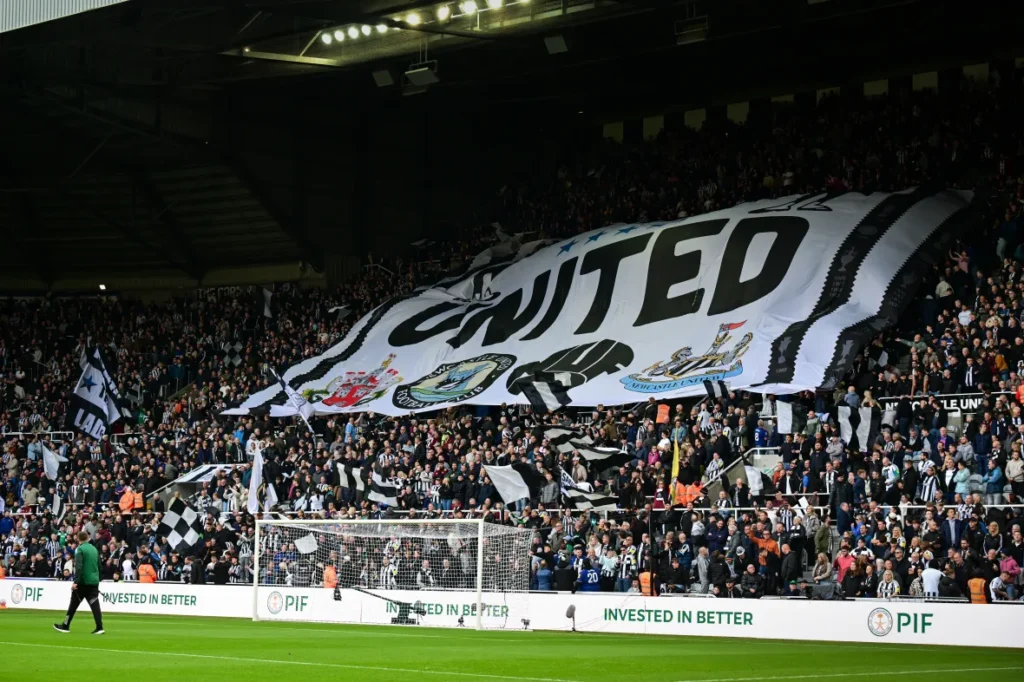
Newcastle United’s £10 million settlement last year over a long-running agent fee dispute is believed to be among the amounts included in HMRC’s latest haul.
Old Wounds: Failed Investment Schemes
The crackdown also extends to historic tax avoidance schemes that have haunted former professionals. Ex-England midfielder Danny Murphy revealed earlier this year that he felt “financially groomed” into failed film investment schemes, leaving him with a £2.5 million bill.
Other former players, including Brian Deane, Michael Thomas and Andy Cole, have spoken publicly about being misled into so-called “tax-efficient” investments that collapsed under legal scrutiny. Dozens more remain locked in disputes over “notional income” from schemes that never delivered returns.
Even Bryan Robson, the former England captain, appeared before a tax tribunal this year regarding tax on a £300,000 ambassadorial deal with Manchester United.
Young Players and Compliance Risks
Officials are also concerned about young footballers who fail to file tax returns often through inexperience rather than intent. HMRC is reportedly investigating clubs for not providing adequate guidance to teenage players, many of whom earn substantial wages early in their careers.
In addition, investigators are reviewing the use of image-rights companies which can allow players to pay lower corporate tax rates and the misclassification of backroom staff as self-employed contractors, a move that reduces payroll costs but may breach tax law.
A Tougher Era for Football Finances
Elliott Buss of UHY Hacker Young warned that the surge in recoveries shows HMRC’s determination to close long-standing loopholes.
“The football industry continues to be seen by HMRC as a major source of unpaid tax,” he said. “A £22.5 million increase in just one year shows how aggressively HMRC is pursuing both new and old areas of concern.”
Experts say the message is clear: football’s tax tolerance is over. Clubs, players and agents must ensure transparency and seek robust financial advice or risk becoming the next target of HMRC’s crackdown.