The recently retired operative, referred to as Soldier Z to maintain anonymity, said the US military has questioned whether British counterparts can be relied upon in combat due to fears of prosecution.
Soldier Z explained that UK special forces face multiple investigations over killings abroad during their careers, which he described as “incredibly corrosive, undermining and demoralising.” In his first interview since leaving the Special Air Service (SAS) last year, he said:
“We disrupt hundreds of attacks in the UK. We spend hundreds of hours hunting threats. We are held in high regard overseas, yet here we are made to feel like murderers.”
Over a 25-year military career spanning almost all post-9/11 conflict zones, Soldier Z has been questioned by police over five incidents, mainly involving shootings in Iraq. Alarmed by the treatment of serving special forces personnel and the potential risks to Britain, he decided to speak publicly.
“I have had enough. This is so serious it needs to be aired. I believe it is my duty to say this,” he said.
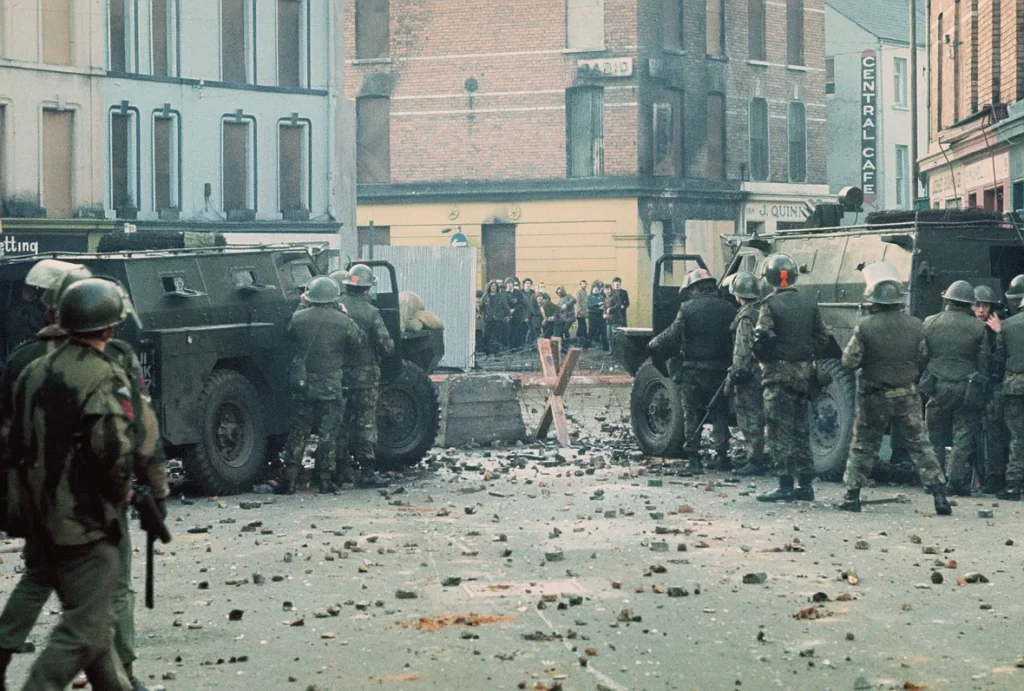
He highlighted a stark contrast between how the US treats its military personnel and veterans compared with the UK government. Labour has recently confirmed that investigations into veterans and terrorists involved in killings in Northern Ireland decades ago will continue. In addition, inquiries are ongoing into claims that special forces soldiers killed unarmed Afghans during night raids in Afghanistan. Nine soldiers have also faced prosecution over alleged war crimes linked to at least two separate incidents in Syria, including the death of a known Islamic terrorist.
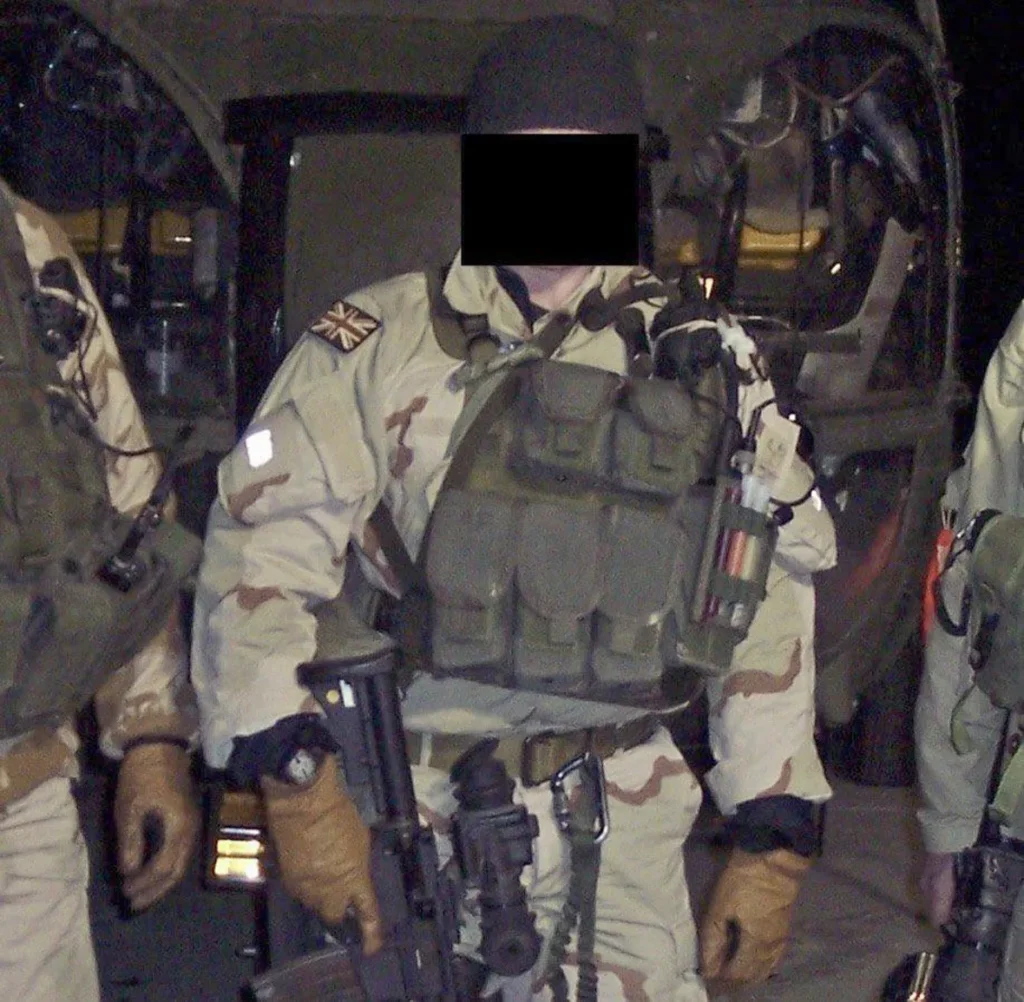
Soldier Z said:
“The US is in disbelief. In their country, military personnel are supported. Here, we are vilified and held under suspicion. This has serious national security implications. The US asks if they can rely on these soldiers to take the same shot and stand with them in operations. These investigations affect decisions. It is massive.”
The armed forces are facing a recruitment crisis, with more personnel leaving than joining, leading to a gradual reduction in overall size. This has resulted in a shortfall of special forces soldiers, typically recruited from regular military ranks.
“Our own country is selling out special forces and veterans. Recruitment is wrecked, retention is in crisis,” he said. Soldier Z revealed he had recently advised his two children against joining the military, calling it a “gross dereliction of my duty” to allow them to enlist under the current conditions.
He warned that enemies are watching and that there could be severe consequences if repeated investigations continue unchecked.
“If we start prosecuting our personnel at the behest of terrorist organisations, it will have serious ramifications. The nation needs to pay attention,” he said.
Soldier Z emphasised that special forces personnel do not consider themselves above the law and are “dedicated professionals.” Regarding overseas missions, he said:
“You do not set out to take a life. You aim to disrupt and detain. In moments of extreme violence, you respond. Then you provide an honest debrief without legal representation, only to be persecuted and questioned like a common criminal.”
He recounted being repeatedly called to local police stations to discuss past operations without legal support.
“People have no idea what it is like to endure this process. The damage is immense, morale is undermined, and the impact is profound. Anyone with a conscience would speak out,” he said.
A Ministry of Defence spokesman said:
“Whilst it is longstanding policy not to comment on UK special forces, we are immensely proud of all our armed forces and their extraordinary contribution to keeping the UK safe. All personnel uphold the highest standards of conduct and are respected worldwide for their excellence and sacrifice. We deeply appreciate all their work.”