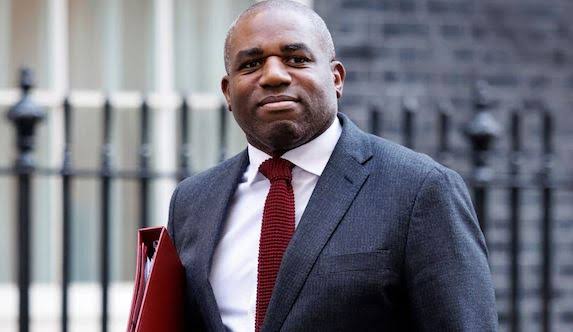
As part of the shake-up, David Lammy, a senior Labour figure and former Foreign Secretary, has been appointed Deputy Prime Minister and Justice Secretary, taking over key roles previously held by Rayner.
The cabinet reshuffle comes at a politically sensitive time for Prime Minister Keir Starmer, whose leadership is under growing pressure from both within the Labour Party and the broader electorate.
The sudden resignation of Angela Rayner, a high-profile figure with strong working-class support, has exposed internal tensions and sparked concerns over the party’s unity and electoral strategy.
According to BBC News on Friday, the reshuffle is seen as a crucial test for Starmer’s leadership, especially as Rayner had been a prominent and working-class figure whose departure may weaken his appeal to core Labour voters.
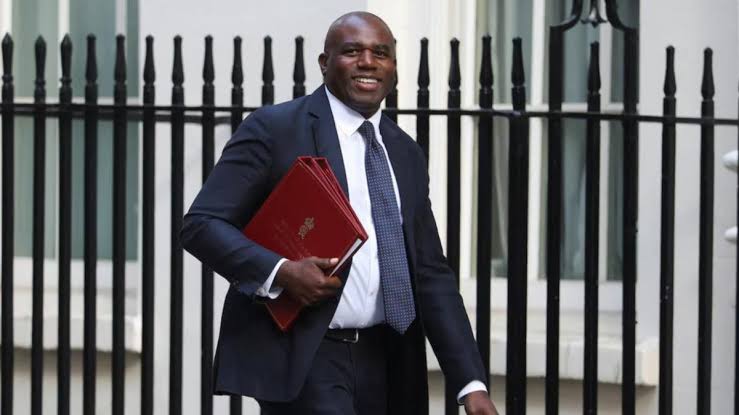
Key Cabinet reassignment
-Lammy transitions from Foreign Secretary to Deputy PM and Justice Secretary.
Yvette Cooper moves from Home Secretary to Foreign Secretary.
-Shabana Mahmood is promoted from Justice Secretary to Home Secretary.
Other notable appointments include:
-Steve Reed as Housing Secretary
-Pat McFadden as head of a newly expanded Work and Pensions department
-Douglas Alexander as Scotland Secretary
-Liz Kendall moves to Science and Technology
Emma Reynolds becomes Environment Secretary
-Peter Kyle appointed Business Secretary
-Jonathan Reynolds named Chief Whip
-Alan Campbell becomes Leader of the House of Commons
Meanwhile, Lucy Powell and Ian Murray were removed from their cabinet roles.
Political Fallout and Internal Tensions
Labour now faces mounting political pressure. Observers note Rayner’s exit leaves a vacuum for constituents drawn to her working-class credentials, possibly intensifying internal party divisions.