
Speaking during his five-day trade mission to Ghana, Nigeria, and South Africa, Sadiq Khan is expected to deliver a keynote address in Accra, the capital of Ghana, where he will argue that taxing foreign student revenue could damage the UK’s global education reputation and economic growth.
“There are people at home who believe we should pull up the drawbridge to international students, or punish universities that choose to welcome people from around the world,” he will say. “Closing our country to global talent would be an act of immense economic self-harm, one that would slow down growth and leave working people in Britain worse off than before.
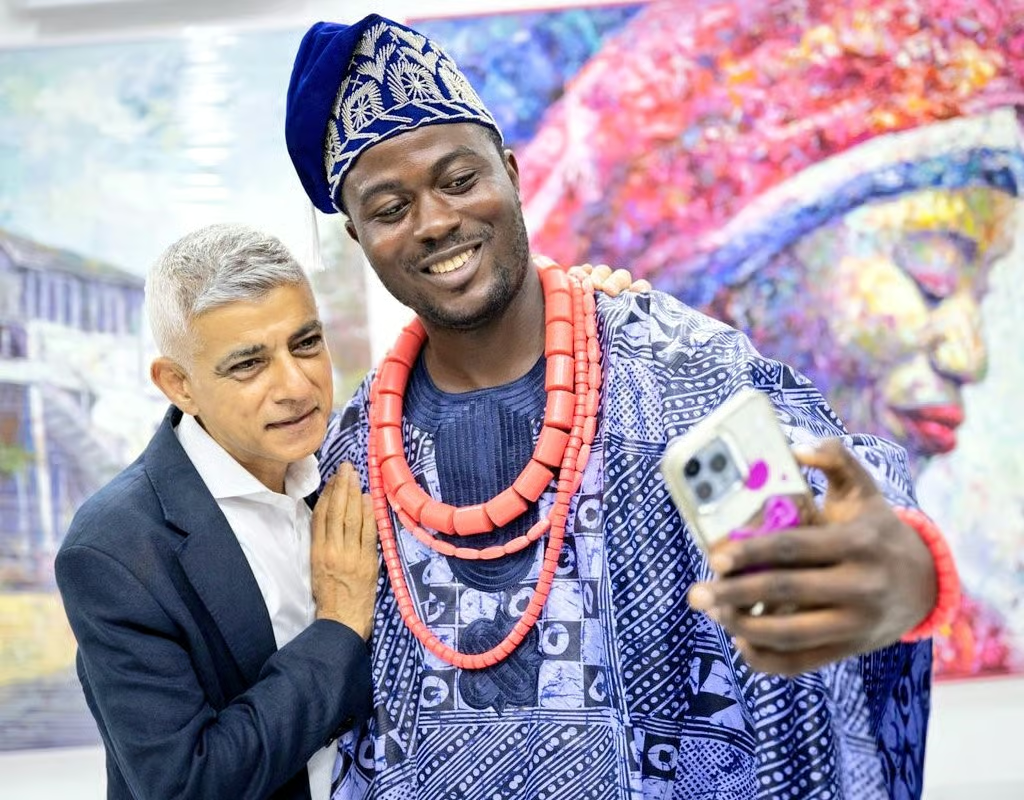
“That’s why I’m calling on our government not to make it harder for international students to study in the UK.”
The UK government’s immigration white paper has become the latest source of tension between the Labour mayor of London and the Labour-led national government.
Sadiq Khan recently criticised the chancellor’s spending review, calling it a “colossal mistake” for framing London as a rival to other parts of the UK. He also played a role in pushing the government to reconsider planned welfare reforms.
During a speech at Imperial College London’s Accra hub, Khan will present new research from the think tank London Economics. The data shows that international students contribute an estimated £12.5 billion to London’s economy annually during their studies.
The white paper outlines a proposal to reduce the post-study work visa period from two years to 18 months. It also suggests introducing a levy on income generated from international students, with the funds earmarked for reinvestment in the UK’s higher education and skills system. More details on these changes are expected in the autumn budget.
UK universities have seen a sharp rise in international student numbers in recent years, largely because overseas students pay higher tuition fees than domestic students, whose fees are capped at just under £10,000 per year.
According to data from the Higher Education Statistics Agency, the 2023–2024 academic year saw 296,655 undergraduate entrants from abroad, compared to 1.75 million from within the UK. Among postgraduate students, international enrolment reached 435,620, surpassing the 410,870 domestic postgraduates.
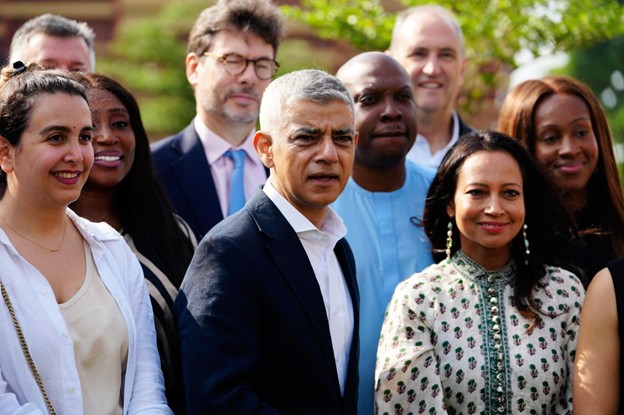
A significant portion of the recent growth in international student numbers has come from India, which overtook China in 2022–2023, as well as from other parts of Asia and Nigeria. Conversely, the number of students arriving from the European Union has declined.
London Higher, a representative body for universities and higher education providers in the capital, has voiced support for Khan’s opposition to the proposed levy. Its chief executive, Liz Hutchinson, said: “Our universities are world-leading because they are international, with overseas students enriching not just the economy but also the learning experience and the vibrant, creative communities that the capital is famous for.”
She added: “This is a time when we should be strengthening our position as a hub for talented individuals from across the world; the government’s proposed levy on international students does the opposite.”