
- June saw the hottest day of the year so far, with 35°C recorded in the southeast.
- Public health authorities confirmed hundreds of heat-related deaths.
- Amber and red heat alerts were issued across England, Wales, and parts of Scotland and Northern Ireland.
These extreme conditions have brought heat exhaustion and heat stroke to the forefront of national concern.
Understanding Heat Exhaustion and Heat Stroke
What Is Heat Exhaustion?
Heat exhaustion is caused by prolonged exposure to high temperatures, especially when combined with physical activity or dehydration. It is the body’s initial reaction to overheating.
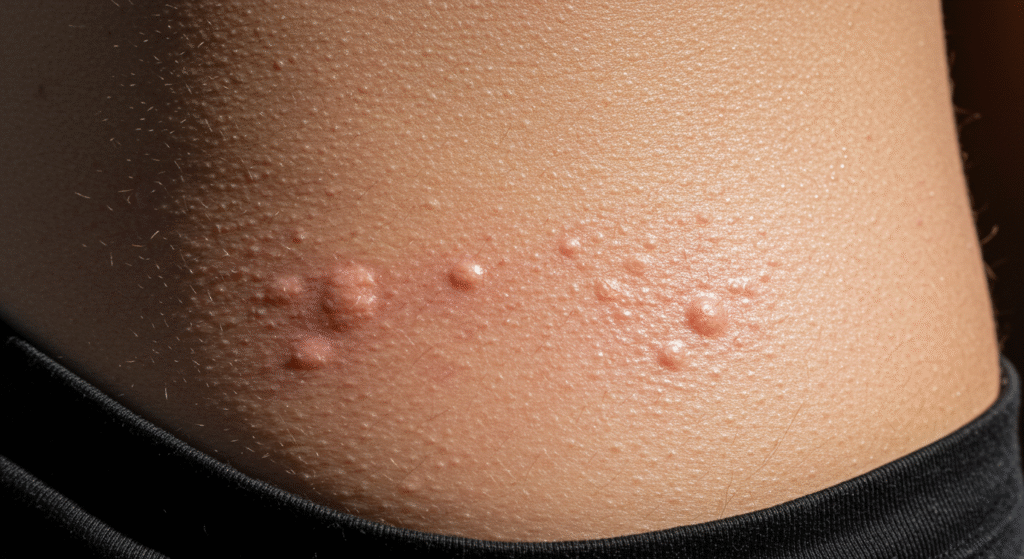
Key symptoms:
- Heavy sweating
- Dizziness or fainting
- Pale, cool, or clammy skin
- Nausea or muscle cramps
- Weak, rapid heartbeat
- Headache or confusion
What to do: Move the person to a cool place, encourage water intake, and apply cool compresses. Seek medical advice if symptoms persist.
What Is Heat Stroke?
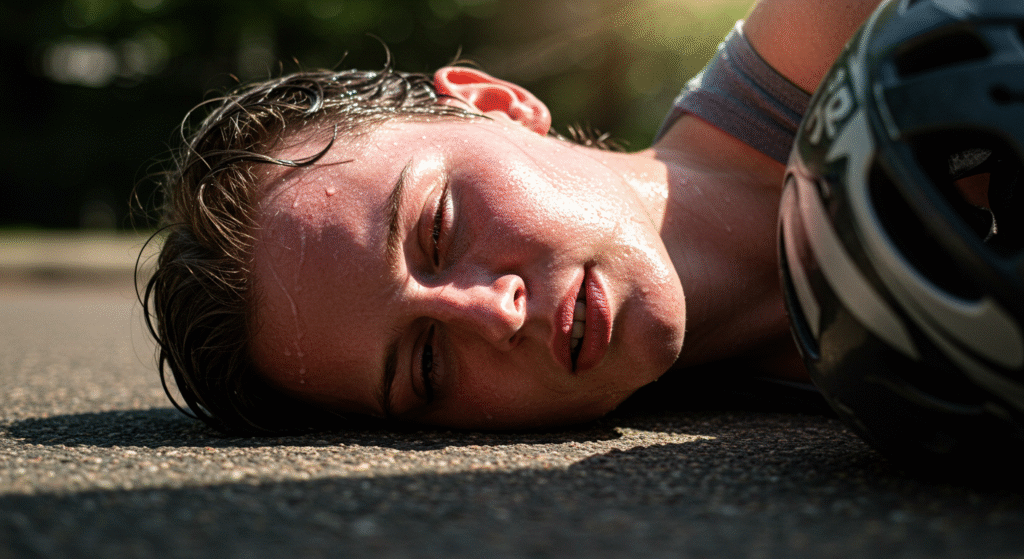
Heat stroke is a serious medical emergency that occurs when the body temperature rises above 40°C and can no longer cool itself.
Warning signs:
- Hot, red, or dry skin
- Disorientation or unconsciousness
- Strong, rapid pulse
- High fever
- Lack of sweating despite heat
- Seizures
What to do: Call 999 immediately. While waiting for emergency responders, try to cool the person down with cold water, fans, or ice packs.
Who Is Most at Risk in the UK?
Certain groups across the UK are particularly vulnerable to heat-related illnesses:
- Older adults, especially over the age of 65
- Babies and young children
- People with chronic illnesses (heart, kidney, lung diseases)
- Outdoor workers, including delivery drivers and farmers
- Individuals living alone or in poorly ventilated housing
From city flats in London to rural homes in Yorkshire, the risks are widespread.
National Trends: What the Data Shows
- The UK Health Security Agency reported over 570 excess deaths during the June heatwave, most involving people over 65.
- NHS services experienced increased pressure due to heat-related emergencies.
- A study by Imperial College London warned that without climate adaptation, heat-related deaths could increase fiftyfold by the 2070s.
- Water providers like Thames Water and Yorkshire Water noted a sharp increase in demand, while rivers such as the Wye and Thames saw reduced flow due to drought.
These figures show how the UK’s climate is shifting—and how urgently public health must adapt.
How to Stay Safe During a Heatwave in the UK
Keep Your Environment Cool
- Close curtains during the day and open windows at night.
- Spend time in public cooling areas such as libraries, malls, or community centres.
- Use fans or portable AC units where possible.

Stay Hydrated
- Drink water regularly, even if you do not feel thirsty.
- Avoid alcohol, caffeine, and sugary drinks.
- Eat water-rich foods like cucumbers, melon, and leafy greens.
Protect Yourself Outdoors
- Avoid exercise or outdoor activities during peak heat (11 a.m. to 3 p.m.).
- Wear light, breathable clothing and apply high-SPF sunscreen.
- Use umbrellas or wide-brimmed hats for shade.
Look After Others
- Check on elderly neighbours and relatives regularly.
- Ensure children stay hydrated and shaded.
- Share heat safety tips on social media and community platforms.
What to Do in an Emergency
If someone shows signs of heat exhaustion:
- Move them to a cooler place
- Give them small sips of water
- Cool them with damp cloths or fans
If symptoms escalate to heat stroke:
- Call 999 immediately
- Continue cooling them until help arrives
For less urgent symptoms, call NHS 111 or visit your local GP.
What the UK Heatwave Teaches Us
The summer of 2025 is a warning. Climate patterns in the UK are changing, and with them come new threats to daily life and public health. As heatwaves become more frequent, the country must take action:
- Retrofit care homes, schools, and public housing for better cooling
- Develop emergency heatwave response plans
- Educate communities about the signs of heat-related illness
- Promote climate resilience at both policy and local levels